As November brings colder temperatures to West Fork and the surrounding communities, many pet owners begin to worry about keeping their dogs and cats comfortable and protected from winter’s chill. At Smithers Animal Hospital, located at 53 S. Centennial Ave., West Fork, AR 72774, our veterinary team understands how important it is to safeguard your pet’s health through every season. Whether you are concerned about icy sidewalks, chilly walks, or how to keep your pet’s bed warm, this guide will help you navigate the challenges of cold weather. In the following sections, we will explore signs your pet may be struggling with the cold, the factors that increase risk, practical management strategies, tips for home care, and when to call your veterinarian for extra support. If you ever have concerns about a sudden change in your pet’s behavior or health during the winter months, our team is here to help with same-day emergency care during business hours and guidance on when to seek emergency veterinary care for more urgent situations.
Recognizing When Cold Weather Is a Problem for Your Pet
Dogs and cats are incredibly adaptable, but winter in West Fork can still present serious risks for pets, especially those that spend time outdoors or have special health needs. You may notice your pet shivering, seeming reluctant to go outside, or looking for extra warm spots to curl up. Other warning signs that the cold is affecting your pet include lethargy, whining, lifting paws off the ground, or seeking shelter more than usual. In some cases, dry or cracked paw pads, red or irritated skin, and even frostbite can develop if pets are exposed to extreme cold for too long.
Particular attention should be paid to puppies, kittens, senior pets, and those with thin coats or chronic illnesses, as they are less able to regulate their body temperature. If your dog or cat is usually energetic but suddenly seems withdrawn, anxious, or unusually still during cold snaps, it could be a sign they are struggling to keep warm. For cats, hiding more than usual or avoiding their litter box can also indicate cold discomfort, especially if their favorite area has become drafty.
Why Dogs and Cats Are at Risk in Cold Weather
Understanding the factors that put your pet at risk during the colder months can help you take proactive measures. West Fork’s climate, with its chilly evenings and occasional freezing temperatures, can be tough on pets, particularly those not accustomed to the cold or those with health vulnerabilities. Short-haired breeds, very young or old animals, and pets with underlying health issues such as arthritis, heart disease, or thyroid problems are all more susceptible to the cold.
Environmental factors also play a role. Outdoor pets face increased risks if shelter is inadequate or if they are exposed to wet, icy, or windy conditions for extended periods. Even indoor pets can be affected by cold drafts, unheated rooms, or sleeping areas placed too close to windows or doors. Chemical hazards like antifreeze spills or de-icing salts can also become more common in winter, posing additional health risks. For more information on potential winter toxins, visit the animal poison control guidance page.
Keeping Your Pet Comfortable: Professional Treatment and Management
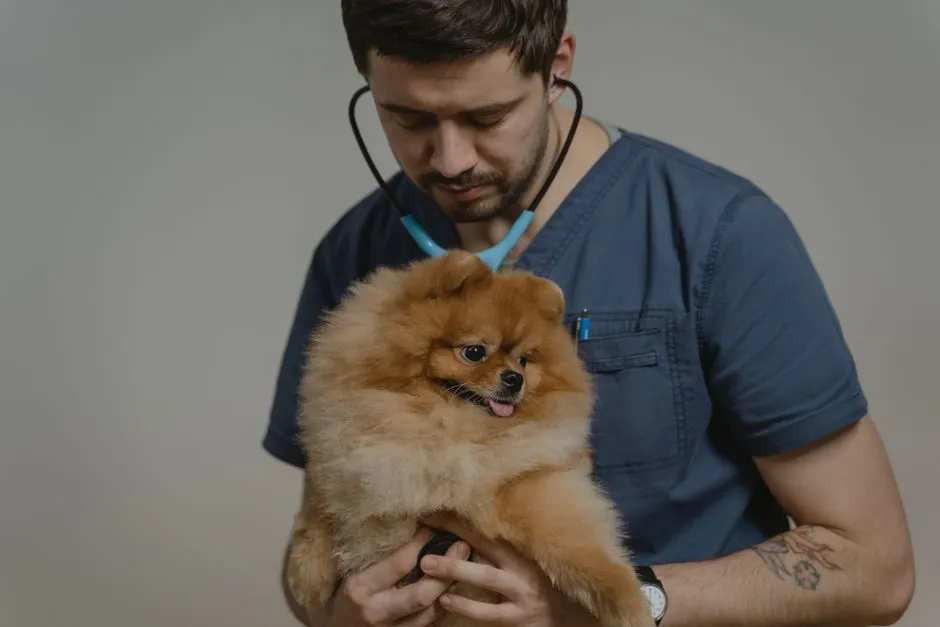
When it comes to keeping your dog or cat safe and comfortable during cold weather, regular veterinary check-ups are the foundation of good health. During a wellness visit at Smithers Animal Hospital, our veterinarians can assess your pet’s overall health, discuss individual cold-weather risks, and recommend preventive care tailored to your pet’s age, breed, and lifestyle.
In cases where a pet is showing signs of cold-related stress or illness, such as persistent shivering, changes in appetite, or difficulty walking, the veterinary team may recommend diagnostic tests to rule out conditions like hypothermia or frostbite. Treatment approaches depend on the severity of symptoms but often involve gradually warming the pet in a controlled environment, providing intravenous fluids if dehydration has occurred, and treating any secondary complications such as skin infections or wounds.
For chronic conditions like arthritis, cold weather can worsen discomfort and mobility. Our veterinarians may suggest adjustments to pain management plans, physical therapy, or laser therapy to help keep your pet comfortable and active during the winter months.
Home Care and Prevention: Keeping Dogs and Cats Warm All Winter
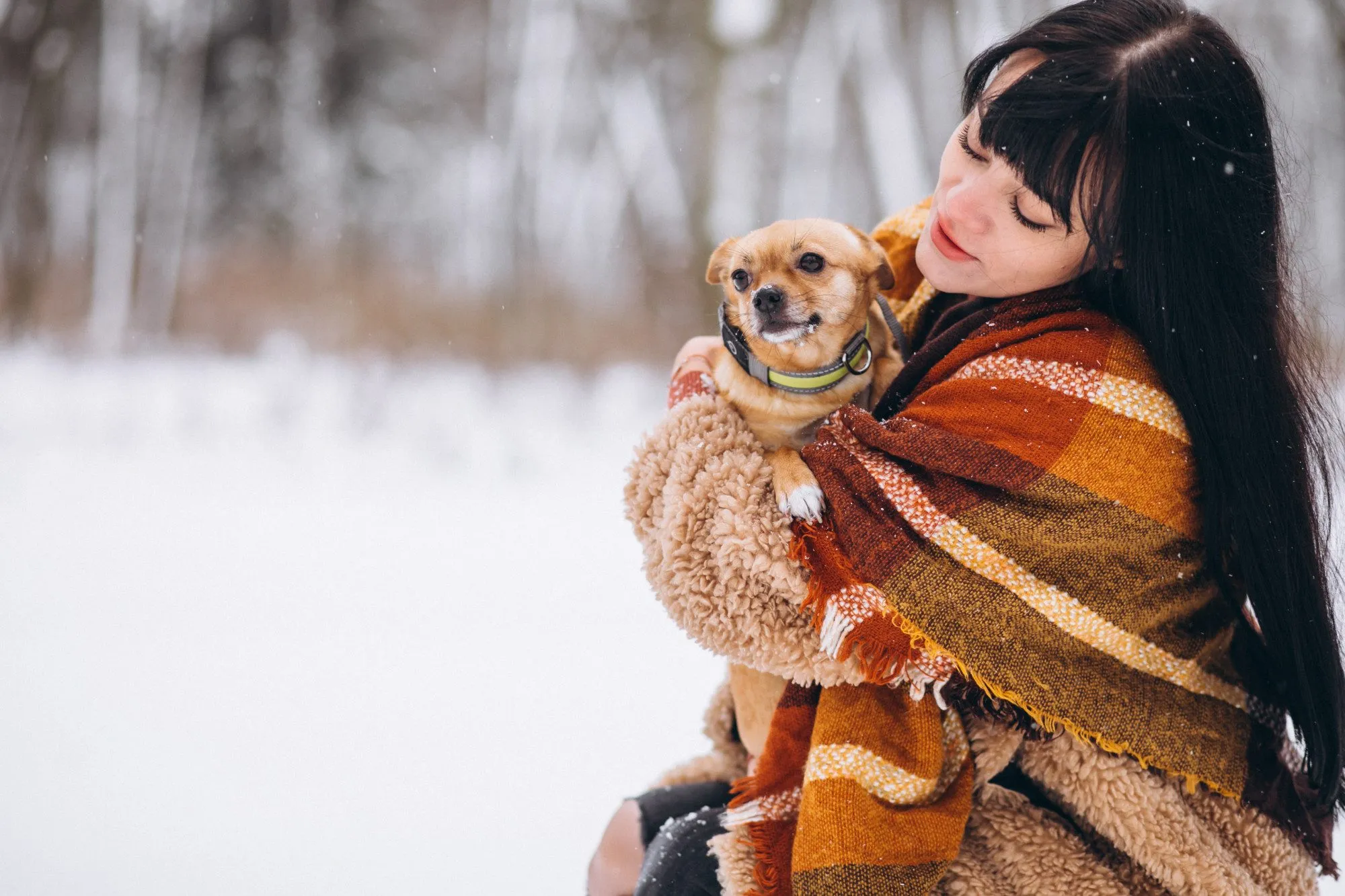
There are many practical steps you can take at home to minimize cold-related risks for your pets. First, limit time spent outdoors on particularly cold or windy days. When walks are necessary, keep them shorter, and use a well-fitted dog coat or sweater for breeds with short or thin fur. Wipe your pet’s paws after walks to remove ice, salt, and chemical residues, and check pads for cracks or irritation.
Ensure your pet’s bedding is placed away from drafts, cold floors, or damp areas. Provide extra blankets or a pet-safe heated bed for added comfort, especially for older animals or those with joint issues. For cats, encourage them to sleep in cozy, elevated spots away from chilly windows or doors.
Regular grooming is also important; mats in the fur can reduce insulation, so keep your pet’s coat clean and brushed. However, avoid shaving your dog or cat’s coat too short during winter. If your pet goes outside, always provide access to fresh, unfrozen water and a warm place to retreat if the weather turns harsh.
Be mindful of potential hazards such as space heaters, open flames, and electric blankets, which can cause burns or injuries if pets get too close. Additionally, keep antifreeze and de-icing products safely stored, since these are highly toxic if ingested.
When to Seek Veterinary Care for Cold-Related Issues
Knowing when to call your veterinarian can make all the difference in your pet’s health during winter. Immediate veterinary attention is needed if your dog or cat displays symptoms such as uncontrollable shivering, weakness, pale or blue gums, confusion, or loss of consciousness. These may indicate serious conditions like hypothermia or frostbite, which require prompt treatment.
If you notice persistent limping, cracked or bleeding paw pads, or wounds that do not heal, schedule an appointment with our team for an evaluation. For pets exposed to potential toxins like antifreeze or de-icers, contact animal poison control or your veterinarian right away. During business hours, our team offers emergency veterinary care for urgent issues, and we can guide you to after-hours support if needed.
Pets with chronic illnesses, mobility problems, or significant behavioral changes during cold snaps should also be evaluated to ensure their comfort and safety. Our veterinarians can help you adjust care routines and provide advice specific to your pet’s unique needs throughout the winter months.
Keeping Your Pet Safe: Local Support and Resources
Winter in West Fork can be beautiful, but it also demands special care for the dogs and cats we share our homes with. By staying alert to the signs of cold-related distress, understanding your pet’s individual risks, and taking proactive steps at home, you can help ensure your pet enjoys a safe and cozy season.
If you have questions about your pet’s health or need advice on winter care, the veterinary team at Smithers Animal Hospital is always here to help. We encourage you to schedule an appointment for a wellness check or to discuss any concerns you may have about cold weather safety. For those searching for a veterinarian near me in the West Fork area, our team is committed to providing comprehensive, compassionate care year-round.
Call us at (479) 839-2328 or stop by 53 S. Centennial Ave., West Fork, AR 72774 to learn more about our services and how we can support your pet’s health this winter. For emergencies outside of business hours, we are happy to guide you to appropriate urgent care resources. Your pet’s comfort and safety are our highest priorities, no matter how cold it gets outside.